The Noriega playbook: U.S. captures Maduro in daring raid, citing legal precedent
01/05/2026 / By Willow Tohi

- U.S. forces captured Venezuelan President Nicolás Maduro and his wife in a military raid in Caracas and transported them to the United States.
- The operation, dubbed “Absolute Resolve,” was executed without U.S. casualties or equipment loss, according to officials.
- Maduro faces a pre-existing U.S. indictment on narco-terrorism and drug trafficking charges and will stand trial in New York.
- The Trump administration justified the action by citing legal precedent set by the 1989 capture of Panamanian leader Manuel Noriega.
- The move has drawn condemnation from several nations and U.S. Democrats, while the administration pledges to oversee a political transition in Venezuela.
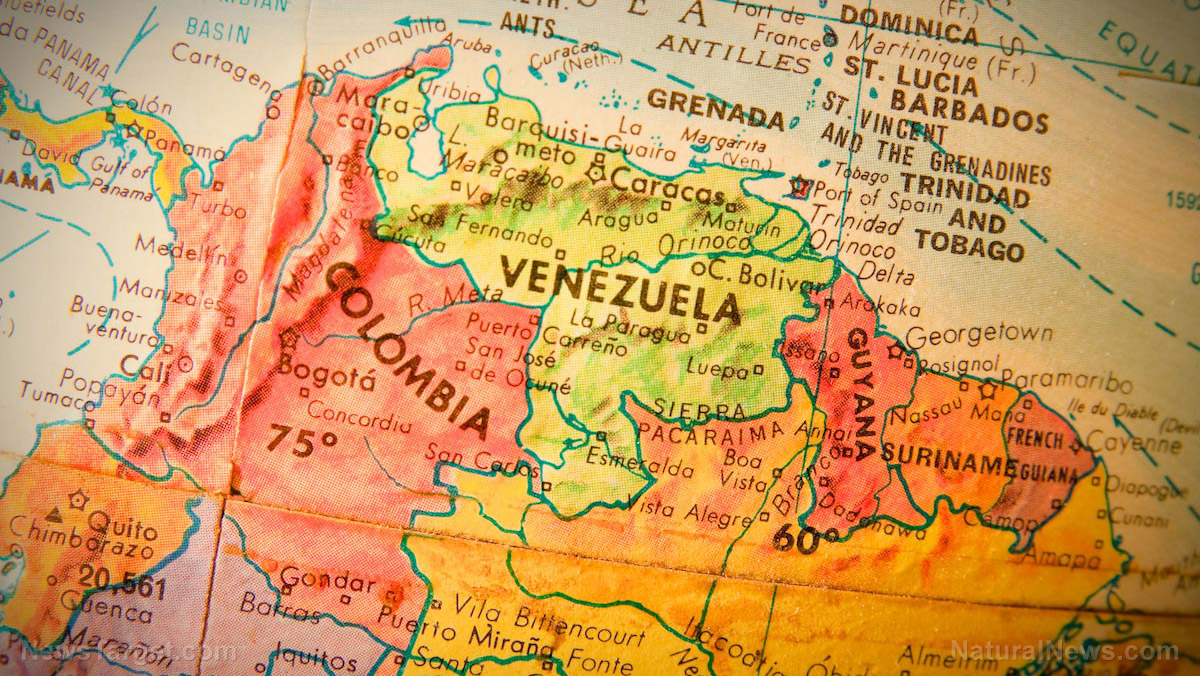
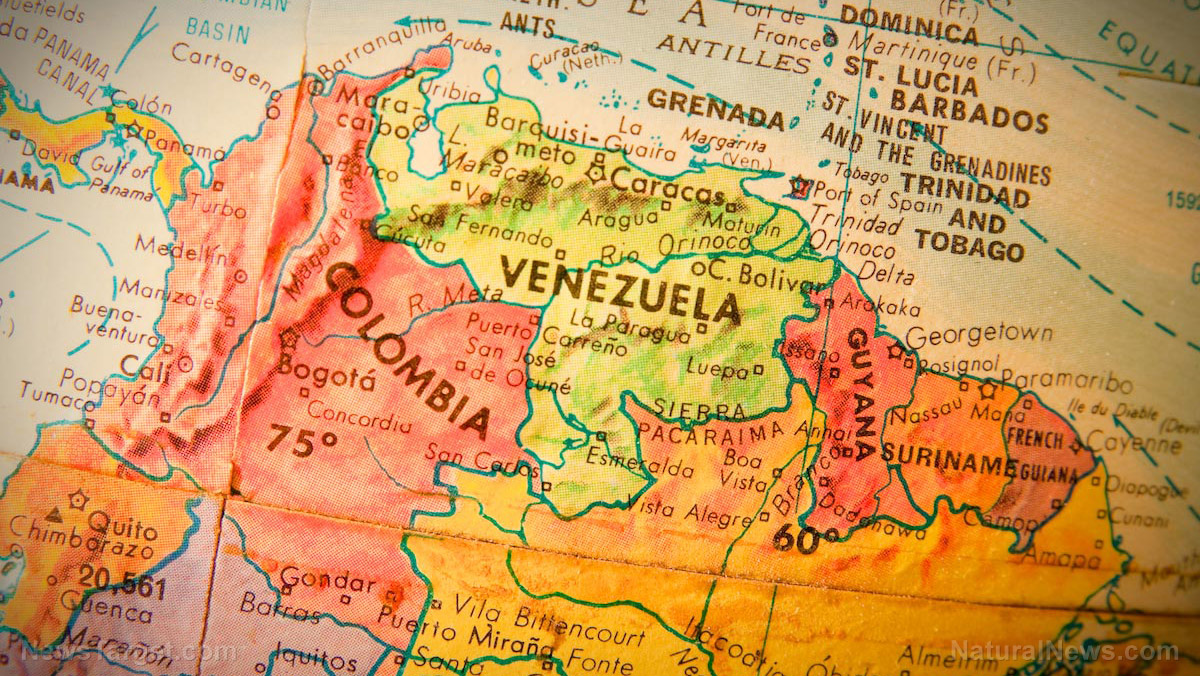
In a dramatic escalation of hemispheric intervention, U.S. military forces captured Venezuelan President Nicolás Maduro and his wife in a pre-dawn raid in Caracas on January 3, 2026, transporting them to face criminal charges in New York. The operation, ordered by President Donald Trump and hailed by his administration as a decisive blow against a narco-terrorist regime, has ignited a fierce debate over its legality and precedent. The administration’s primary defense rests on a decades-old case: the 1989 U.S. invasion of Panama and capture of its de facto leader, Manuel Noriega.
Operation Absolute Resolve
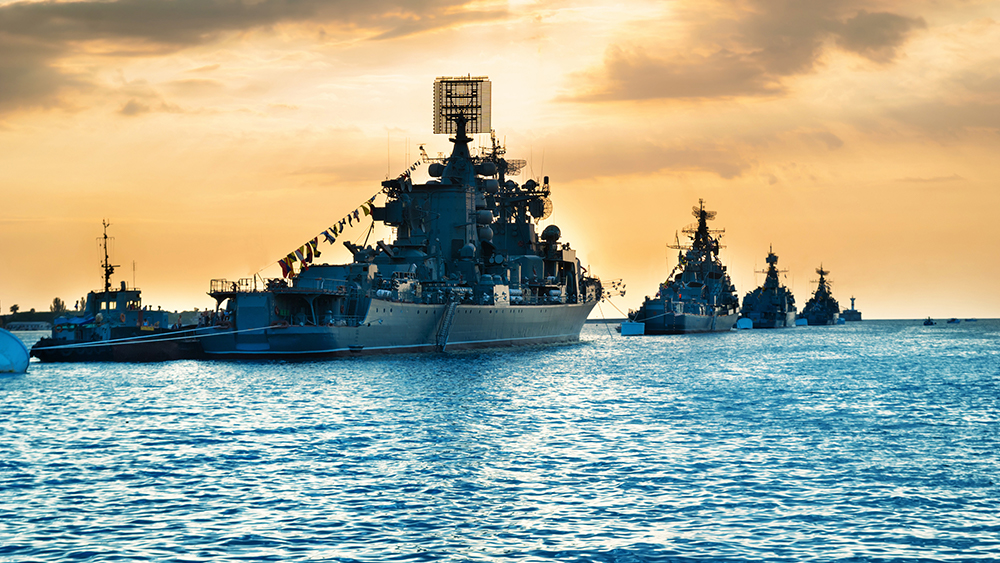
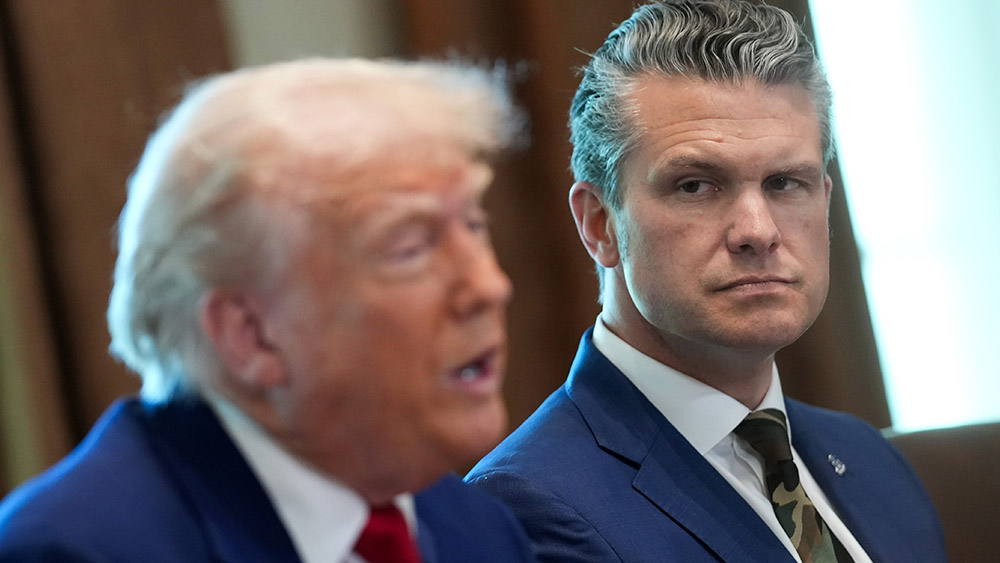
The mission, code-named “Absolute Resolve,” involved air, land and sea assets targeting the Venezuelan capital. Defense Secretary Pete Hegseth stated the operation followed months of planning, while Joint Chiefs Chairman Gen. Dan Caine described it as “discreet, precise and conducted during the darkest hours.” Initial reports indicate significant infrastructure damage in parts of Caracas. Crucially, officials emphasized no U.S. service members were killed and no equipment was lost. Attorney General Pam Bondi confirmed Maduro and his wife, Cilia Flores, were indicted on charges including narco-terrorism conspiracy and cocaine importation, stemming from a 2020 U.S. indictment.
The Noriega precedent: A legal blueprint
Facing immediate accusations of unlawful military aggression, Trump officials pointed to the legal framework used to justify the capture and prosecution of Panama’s Manuel Noriega. In 1989, President George H.W. Bush ordered an invasion to apprehend Noriega, a former CIA asset turned adversary, on U.S. drug charges. Noriega was tried and convicted in Miami, setting a legal precedent the current administration argues is directly applicable.
The parallels are stark: Both leaders were charged in U.S. courts as drug traffickers; both were captured by U.S. military force on foreign soil; and, critically, the U.S. government did not formally recognize either as a legitimate head of state at the time of their capture, negating claims of sovereign immunity. The administration contends that the longstanding indictment and Maduro’s alleged leadership of the “Cartel of the Suns” provided ample legal justification, mirroring the charges against Noriega.
Hypocrisy and hemispheric backlash
The operation has exposed perceived hypocrisies in U.S. foreign policy. While European Union leadership offered muted reaction after years of advocating a “rules-based international order,” regional powers including Brazil, Mexico, Colombia and Cuba condemned the action as a violation of sovereignty. U.S. Democratic lawmakers questioned the operation’s legality and Trump’s authority, with Rep. Jim McGovern (D-Mass.) calling it an “unjustified, illegal strike.”
This criticism invites historical scrutiny. Democratic administrations have authorized lethal strikes against individuals, including U.S. citizens, without judicial process. Furthermore, the legal rationale for Noriega’s prosecution was broadly accepted at the time by the political establishment, with little protest from key allies like Britain’s Margaret Thatcher. The current debate revisits the enduring tension between enforcing U.S. law extraterritorially and respecting national sovereignty—a tension historically resolved in favor of power when a strategic adversary is labeled a criminal.
A new doctrine, unfolding consequences
Trump declared the U.S. would “run Venezuela” until a “safe, proper and judicious transition” can be achieved, suggesting an indefinite military and political commitment. He also framed the action as a reassertion of American power in the hemisphere, claiming to have “superseded” the Monroe Doctrine. The operation sends a stark warning to other regional actors, with Secretary of State Marco Rubio suggesting Cuban leaders “be very worried.”
The long-term consequences are uncertain. While the administration celebrates a strategic victory against a regime allied with China and Russia, it risks protracted nation-building and regional instability. The action tests the limits of the Noriega precedent, which involved a far smaller country and a quicker withdrawal. Domestically, it challenges Trump’s “America First” non-interventionist rhetoric, even as it fulfills a promise to confront hostile regimes.
An old playbook for a new era
The capture of Nicolás Maduro represents a bold and controversial application of a Reagan-era foreign policy tactic. By invoking the Noriega precedent, the Trump administration seeks a legal and historical shield for its most aggressive hemispheric action. The move underscores a consistent, if often unacknowledged, U.S. willingness to employ military force to depose leaders deemed criminal threats, regardless of the diplomatic fallout. As Maduro faces a New York courtroom, the event marks not just a potential turning point for Venezuela, but a revival of a contentious chapter in America’s role as regional policeman, proving that old doctrines can be resurrected and rebranded for new confrontations.
Sources for this article include:
Submit a correction >>
Tagged Under:
big government, chaos, conspiracy, dangerous, Donald Trump, drug cartels, drug trafficking, Foreign policy, foreign relations, hypocrisy, Maduro, Manuel Noriega, national security, politics, Venezuela, White House, World War III
This article may contain statements that reflect the opinion of the author
RECENT NEWS & ARTICLES