Russia slams U.S. strikes in Venezuela as violation of sovereignty and calls for UN meeting
01/05/2026 / By Cassie B.
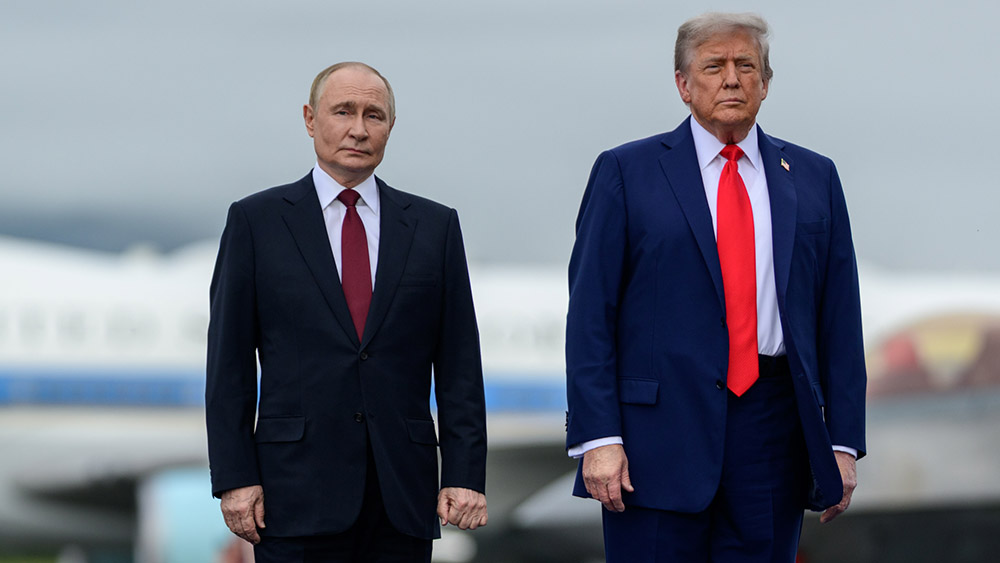
- The U.S. conducted unilateral military strikes in Venezuela, capturing President Maduro.
- Russia condemned the action as armed aggression and a violation of sovereignty.
- The operation sets a dangerous global precedent for regime change by force.
- It risks broader conflict and distracts from domestic priorities.
- The move may backfire by empowering adversaries and destabilizing international order.
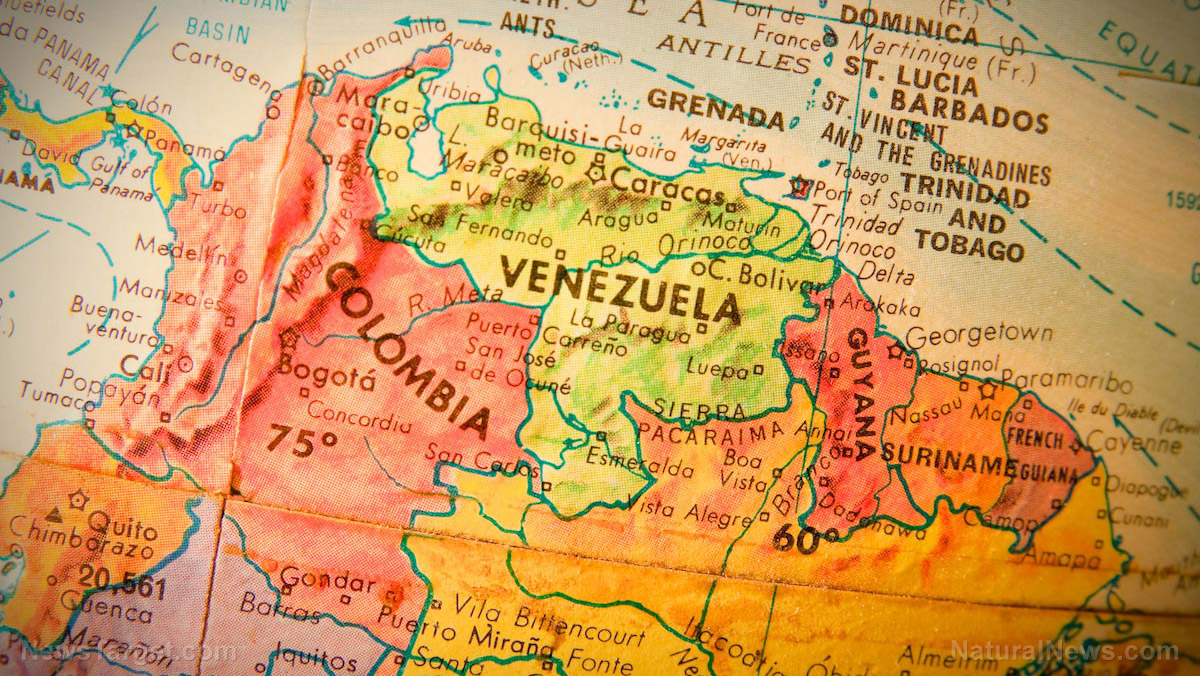
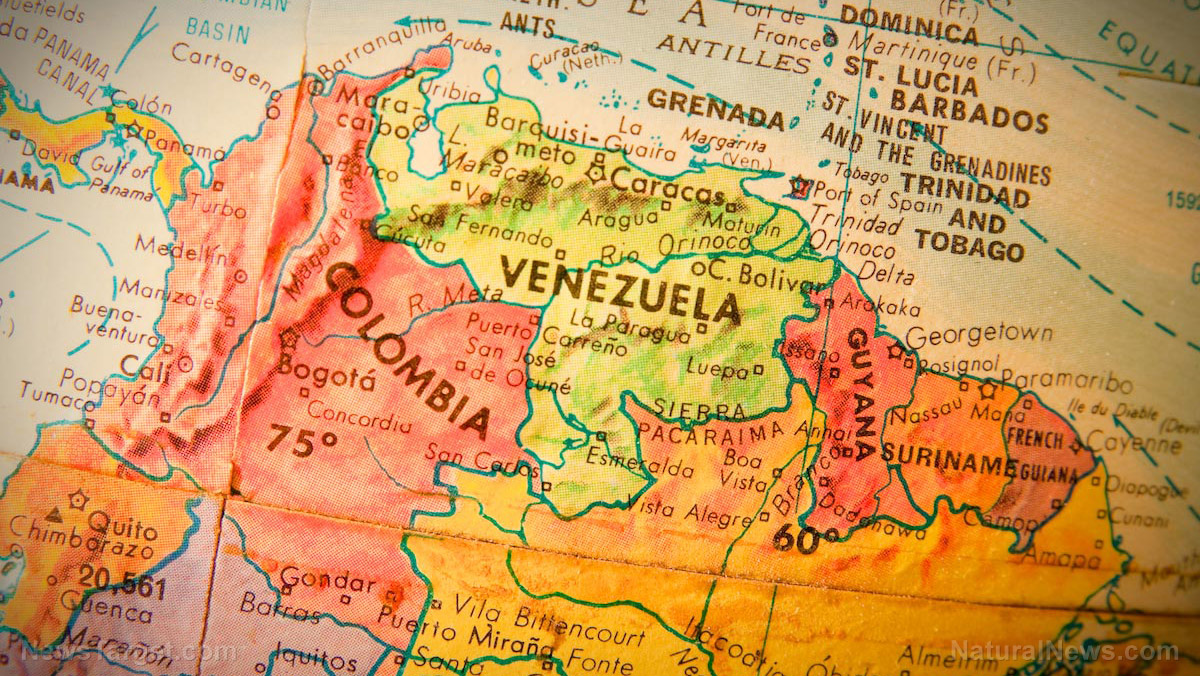
The United States has crossed a dangerous line in Venezuela that should alarm every American who values sovereignty, stability, and the rule of law. Over the weekend, explosions rocked Caracas in what President Donald Trump confirmed were U.S. strikes, culminating in the capture of Venezuelan President Nicolas Maduro, who was flown out of the country. Russia’s Foreign Ministry swiftly condemned the act as “armed aggression,” warning against escalation and supporting an urgent UN Security Council meeting. While the corrupt, narco-linked Maduro regime is no friend to freedom, this unilateral American intervention sets a perilous precedent that weakens our global standing and risks broader conflict, all while distracting from pressing domestic crises.
Venezuelan officials accused Washington of attempting to seize control of the nation’s vast natural resources. Foreign Minister Yvan Gil stated the country was “directly attacked” by the U.S. Moscow echoed this, with the foreign ministry stressing that Latin America should remain a peaceful area and that Venezuela must be free from external interference. Leonid Slutsky, chairman of the Russian State Duma’s Foreign Affairs Committee, labeled the strikes a U.S. military operation aimed at changing an “undesirable” regime.
A corrupt ally removed
There is no defending Nicolas Maduro. His socialist regime has bankrupted a resource-rich nation, forged ties with drug cartels, and brutalized his own people. President Trump has repeatedly accused Venezuela’s government of facilitating large-scale drug trafficking, authorizing expanded U.S. military operations in the region. Maduro rejected these allegations, framing them as a pretext for aggression. His removal, however, was executed not through regional coalition or clear legal authority, but by unilateral U.S. force in a move Russia correctly identifies as an “unacceptable infringement on the sovereignty of an independent state.”
This action mirrors a troubling pattern. The U.S. adventures in Iraq and Libya, sold as noble regime-change operations, created lasting chaos, humanitarian disasters, and power vacuaries filled by terrorists. The aftermath in Venezuela remains uncertain, but history suggests imposing outcomes by force rarely yields stable, democratic results.
Geopolitical calculations and consequences
For Russia, the event is complex. Venezuela was a key ally, backing Russia’s invasion of Ukraine and engaging in energy and military cooperation. Analysts note the Kremlin is now weighing the loss of this partner against potential benefits. The crisis provides a distraction from Ukraine, where Russia seeks favorable terms from Washington. Furthermore, some Russian voices see an opportunity. The operation could erode the rules-based international order, moving toward a world where “the law of the strongest” prevails—a model long championed by Moscow.
The precedent is disturbing. Sarah Lenti, a former National Security Council director, warned the move could give Russia carte blanche against leaders it labels criminals, like Ukraine’s Volodymyr Zelenskyy. “He is giving Putin permission to go as far as he wants with Zelenskyy,” Lenti told CNBC. “I think this is setting a very bad precedent for countries that China and Russia are looking to infringe upon.”
The cost of overreach
Beyond principle, there are practical costs. The intervention showcases the vulnerability of Russian military systems like the S-300 air-defense units deployed in Venezuela, which failed to stop the operation. Moscow stands to lose billions in unpaid loans to Caracas. Most critically, U.S. access to Venezuela’s massive oil reserves could depress global prices, threatening a key source of Russian revenue. As Russian billionaire Oleg Deripaska noted, if the U.S. controls Venezuela’s oil, the goal may be to cap Russian oil prices.
Yet, for all its public outrage, Moscow’s response is tempered. Bogged down in Ukraine, Russia lacks the capacity or will to challenge the U.S. in its own hemisphere. Analysts note that maintaining a relationship with Trump over Ukraine likely far outweighs the fate of Caracas for Moscow.
America’s strength has historically been rooted in moral authority and strategic alliances, not in acting as a unilateral vigilante. This overreach exacerbates global divisions, validates the worst accusations of our adversaries, and diverts attention and resources from the urgent work of rebuilding our own nation: our infrastructure, our economy, and our social fabric. We must be a nation that leads by example and builds at home, not one that perpetuates endless, legally dubious conflicts abroad.
Sources for this article include:
Submit a correction >>
Tagged Under:
big government, chaos, dangerous, Maduro, national security, outrage, panic, Russia, Trump, tyranny, Ukraine, Venezuela, violence, WWIII
This article may contain statements that reflect the opinion of the author
RECENT NEWS & ARTICLES